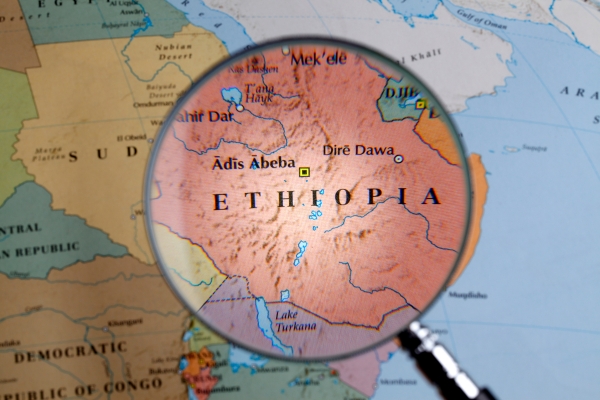
The Land of Origins
Ethiopia is the birthplace of coffee, the source of the Blue Nile, and home to ancient civilizations like Aksum and Lalibela. From the castles of Gondar to the Simien Mountains, its heritage and landscapes span millennia. Proudly never colonized, Ethiopia’s 80+ cultures and vibrant traditions make it a land of history, beauty, and authenticity.
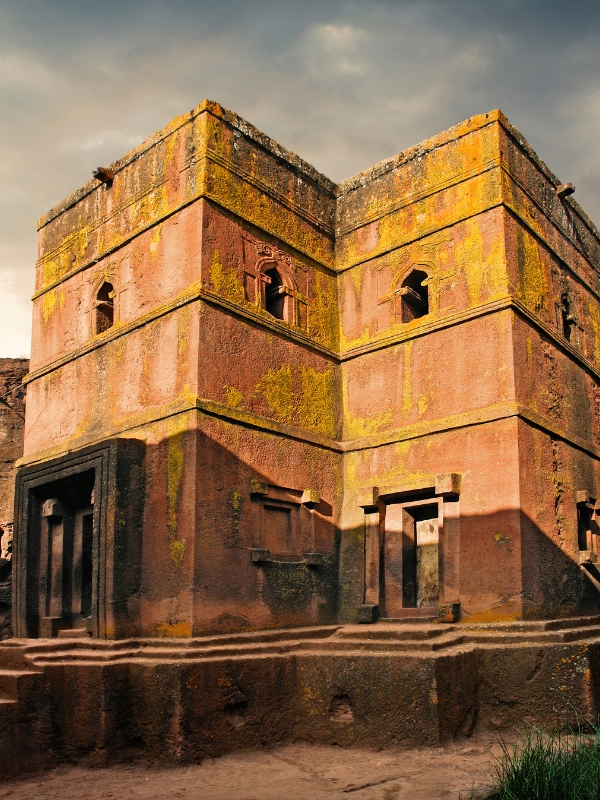
Rock-Hewn Churches of Lalibela
Carved in the 12th century, these underground churches are a UNESCO World Heritage site and a marvel of faith and architecture.
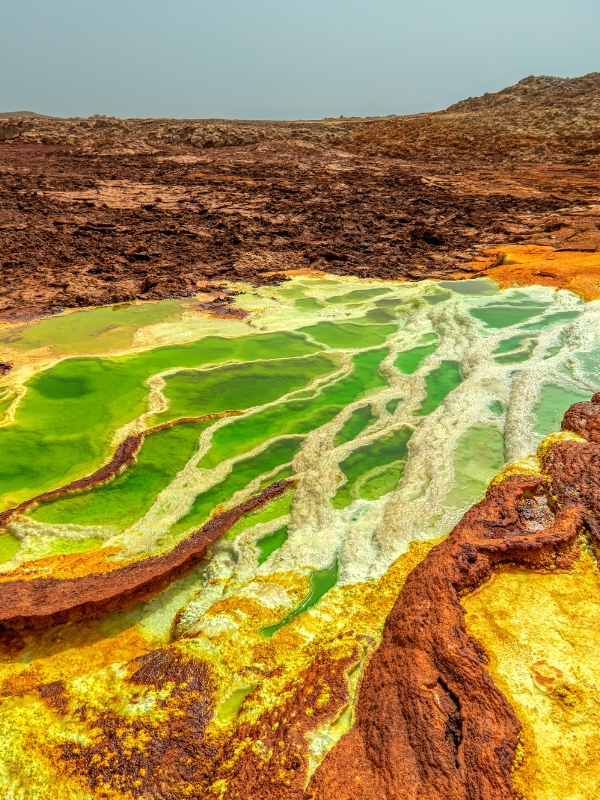
Danakil Depression
One of the hottest and most otherworldly places on Earth, the Danakil features lava lakes, salt flats, and surreal landscapes of fire and minerals.
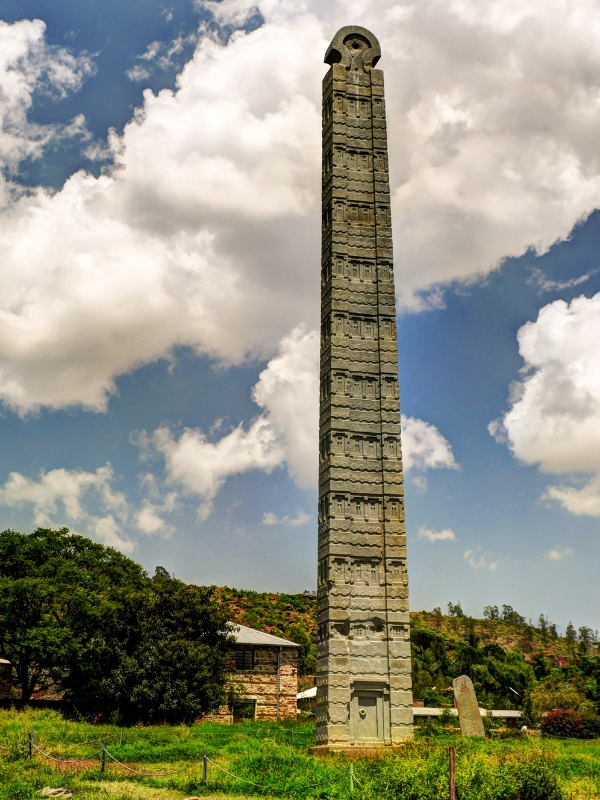
Aksumite Kingdom & Obelisks
The ancient kingdom of Aksum, once a great trading empire, is famed for its towering stone obelisks and rich Christian heritage.

Coffee: Ethiopia’s Gift to the World
The birthplace of coffee, Ethiopia’s coffee culture is woven into daily life through its rich traditions and ceremonial rituals.
Castles of Gondar
Often called the “Camelot of Africa,” Gondar’s royal enclosure preserves Ethiopia’s imperial glory with its towering castles.
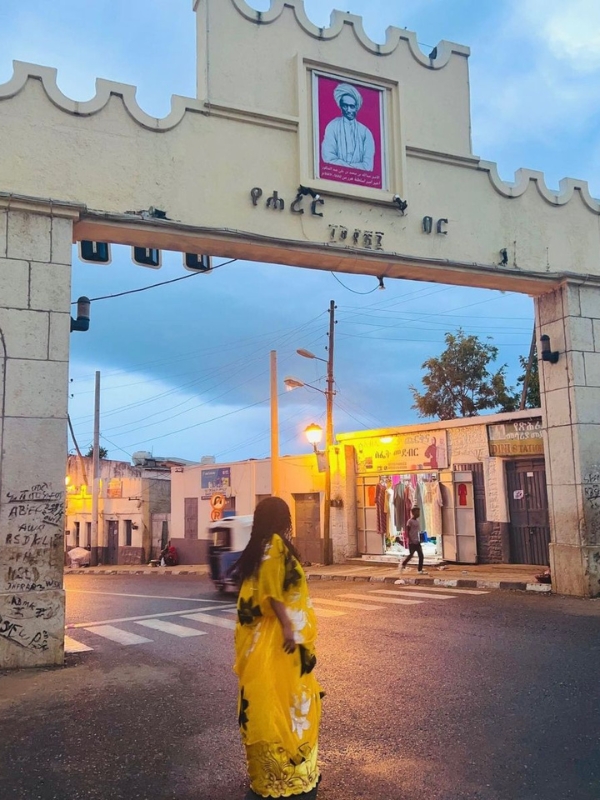
Fortified City of Harar
A maze of alleys, colorful markets, and 82 mosques, Harar is a living museum of Islamic culture and history.
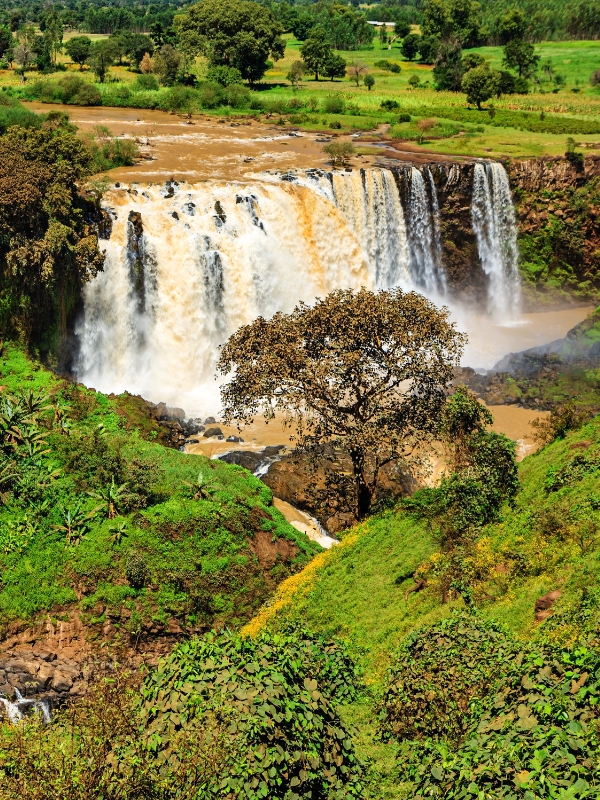
Blue Nile (Abay) River
Rising in Ethiopia’s highlands, the mighty Blue Nile flows north, shaping civilizations along its path and powering life across Africa.
Festivals are the heartbeat of Ethiopian culture. Timkat (Epiphany) is celebrated with colorful processions and holy water rituals, while Meskel commemorates the discovery of the True Cross with massive bonfires and joyous gatherings. Countless local festivals, unique to each ethnic group, showcase dance, music, and ritual, keeping centuries-old traditions alive.
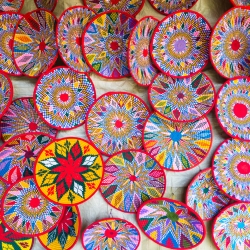
Ethiopian art blends the sacred and the everyday. Ancient church murals depict biblical scenes in vibrant colors, while traditional folk art celebrates local legends and daily life. Handcrafts such as Sifet (woven textiles), pottery, and intricate wood carvings showcase the skill and creativity of local artisans. Contemporary artists continue this tradition, merging modern techniques with cultural motifs, reflecting Ethiopia’s evolving identity.
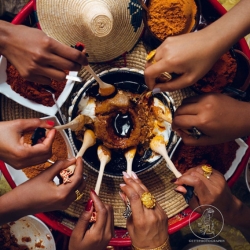
Ethiopian cuisine is a feast for the senses. The staple Injera – a sourdough flatbread – accompanies richly spiced stews like Doro Wat (chicken) and Sega Wat (beef). Regional specialties, from the spicy Kitfo of the Gurage to the vegetarian delights of Orthodox fasting days, highlight Ethiopia’s agricultural richness and cultural diversity.
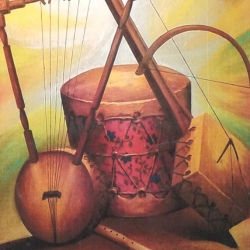
Ethiopia’s music is as diverse as its people. From the soulful melodies of the Krar (lyre) and the haunting sounds of the Masenqo (one-stringed fiddle) to the flute-like Washint, every region has its own traditional rhythms. Modern Ethiopian jazz and contemporary styles fuse these ancient sounds with global influences, creating a vibrant musical landscape.
Addis Ababa: The Beating Heart of Africa
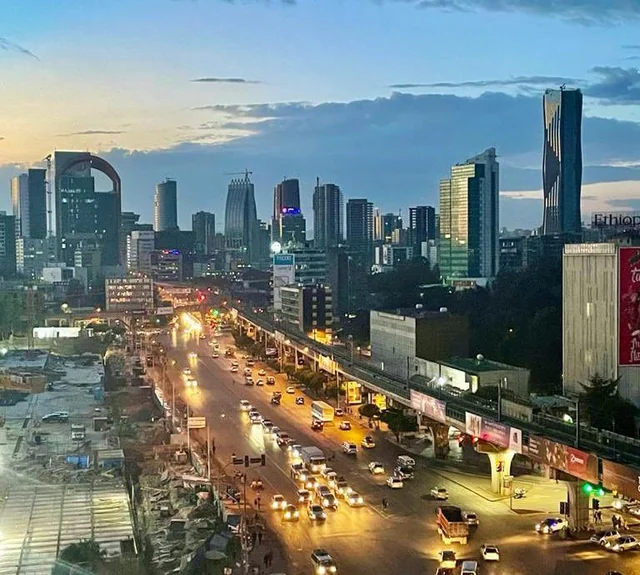
Addis Ababa, Ethiopia’s vibrant capital, is a city of contrasts and opportunity. It hosts the African Union (AU) and United Nations Economic Commission for Africa (UNECA), making it the political hub of the continent. Explore Merkato, one of Africa’s largest open-air markets, or ride the modern Light Rail for a glimpse of city life. The city is rich in culture, with museums, galleries, and historical landmarks that tell Ethiopia’s unique story.